
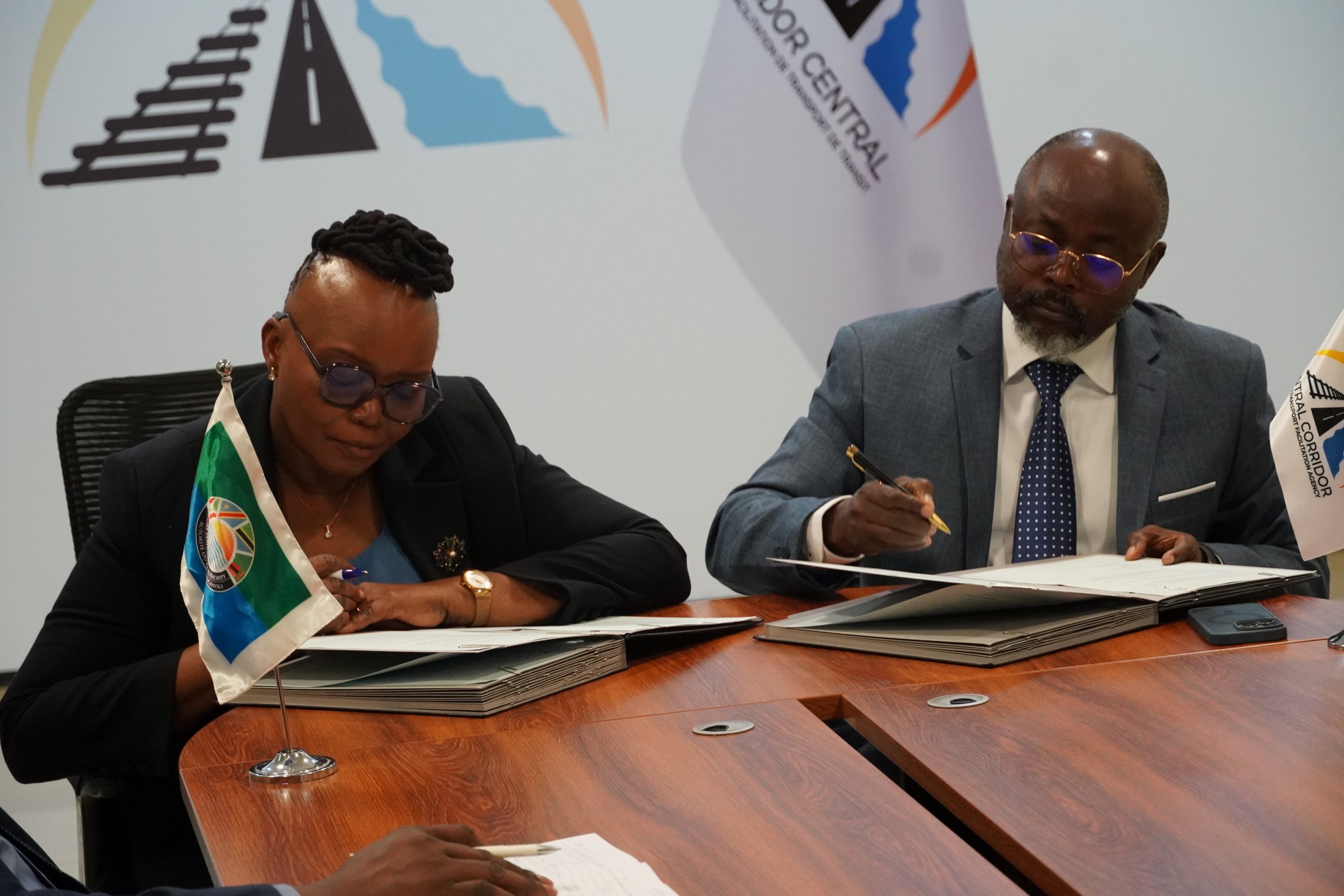
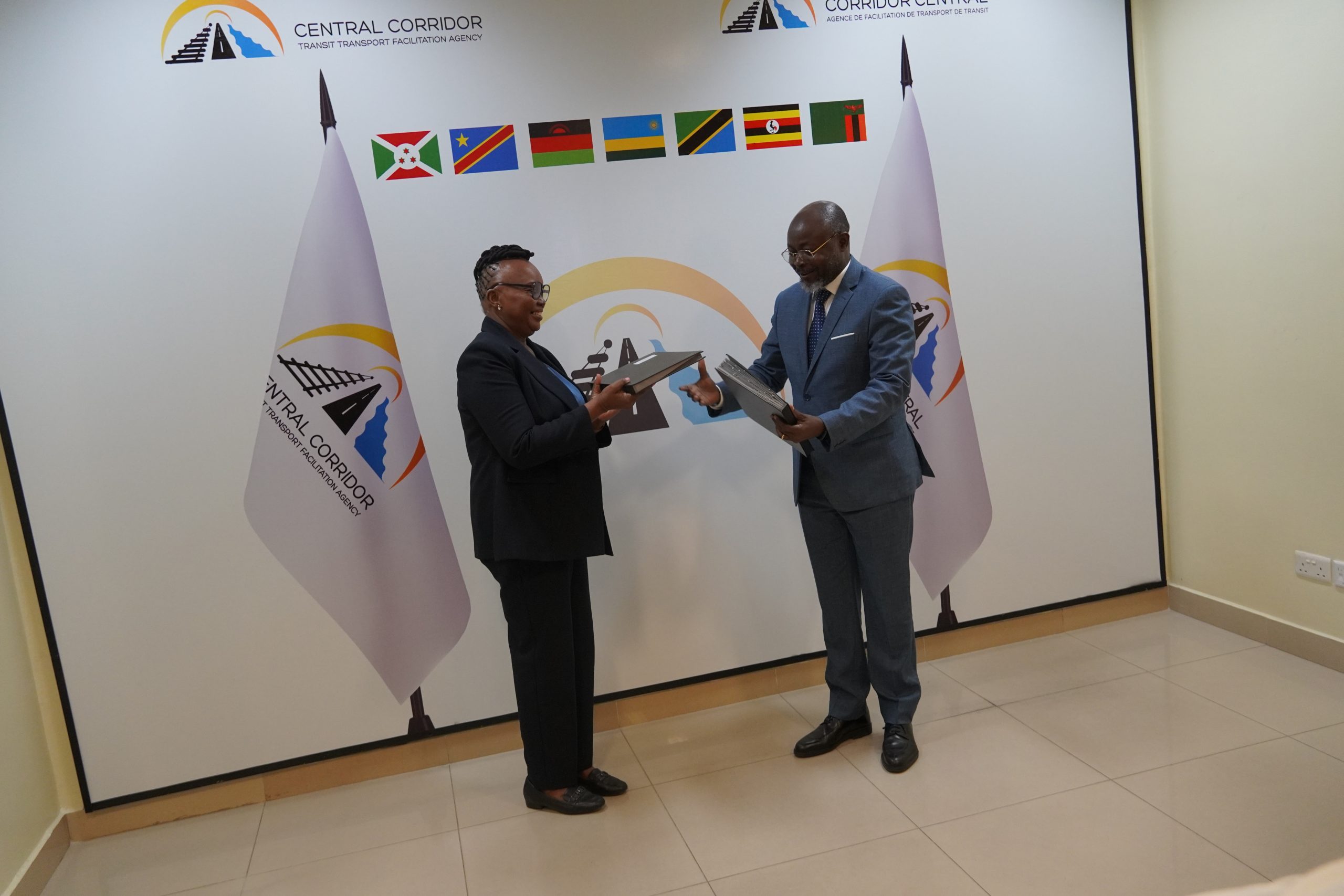
On Wednesday, 12 August 2026, in Dar es Salaam, United Republic of Tanzania, the Lake Tanganyika Authority (LTA) and the Central Corridor Transit Transport Facilitation Agency (CCTTFA) signed a renewable five-year Memorandum of Understanding within the framework of the Lake Tanganyika Transport Programme, with the overall objective of contributing to sustainable development in the sub-region.
The MoU aims to promote the sustainable development of the transport sector on Lake Tanganyika through the improvement of transport infrastructure, the strengthening of maritime safety and security, the harmonisation of policies and regulations, and enhanced regional trade facilitation.
The MoU also places particular emphasis on the prevention and management of pollution associated with lake transport activities, including pollution arising from vessels, ports and freight operations. This includes the prevention and management of oil spills, hazardous cargo, ship-generated waste, wastewater and other environmental risks associated with transport activities.
It further seeks to promote resilience to the impacts of climate change and strengthen environmental sustainability within the Lake Tanganyika Basin, in accordance with applicable regional and international frameworks. These efforts are intended to ensure the development of a lake transport system that is efficient, safe, resilient and environmentally sustainable.
Among the various components of the TAKIWAMA Project, funded by the European Union and coordinated by the LTA, the component dedicated to transport governance on Lake Tanganyika plays an important role in strengthening regional integration and supporting the economic development of the riparian countries.
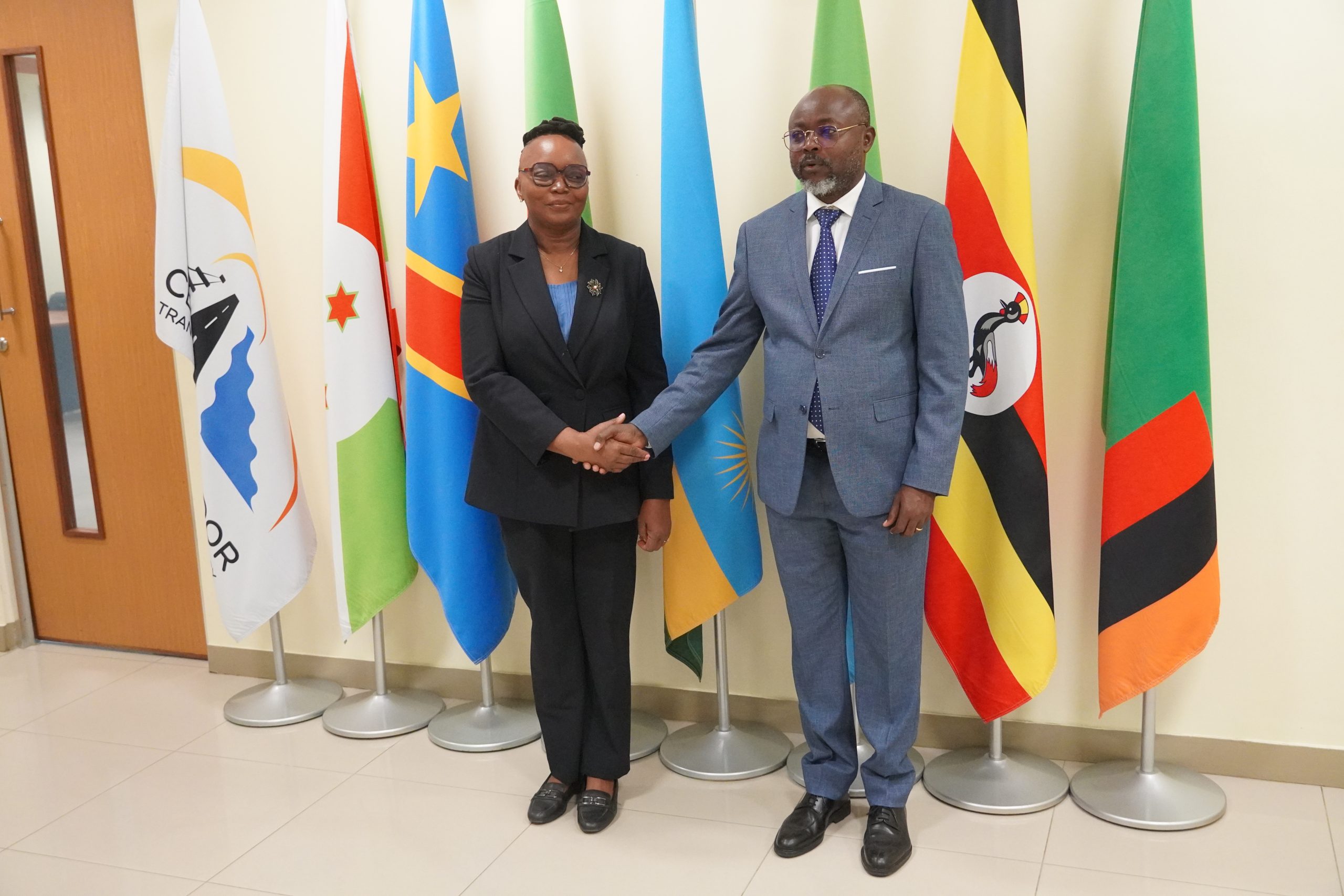
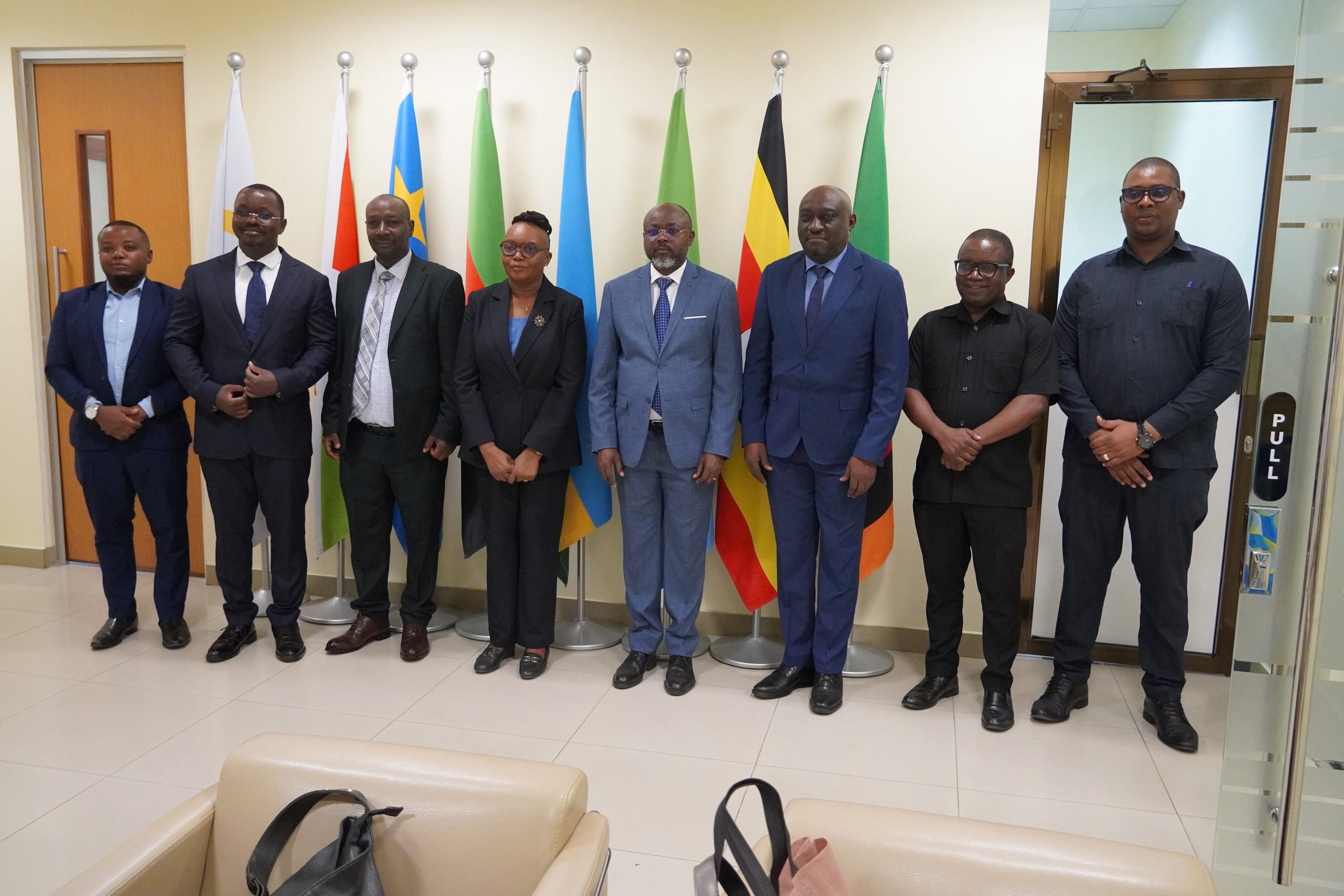
Signed by the Executive Director of the LTA, Dr Emma Theresa Liwenga, and the Executive Secretary of CCTTFA, Adv. Okandju Okonge Flory, the MoU marks an important milestone in strengthening cooperation between the two institutions and establishes a formal framework for the implementation of joint activities in areas of common interest.