
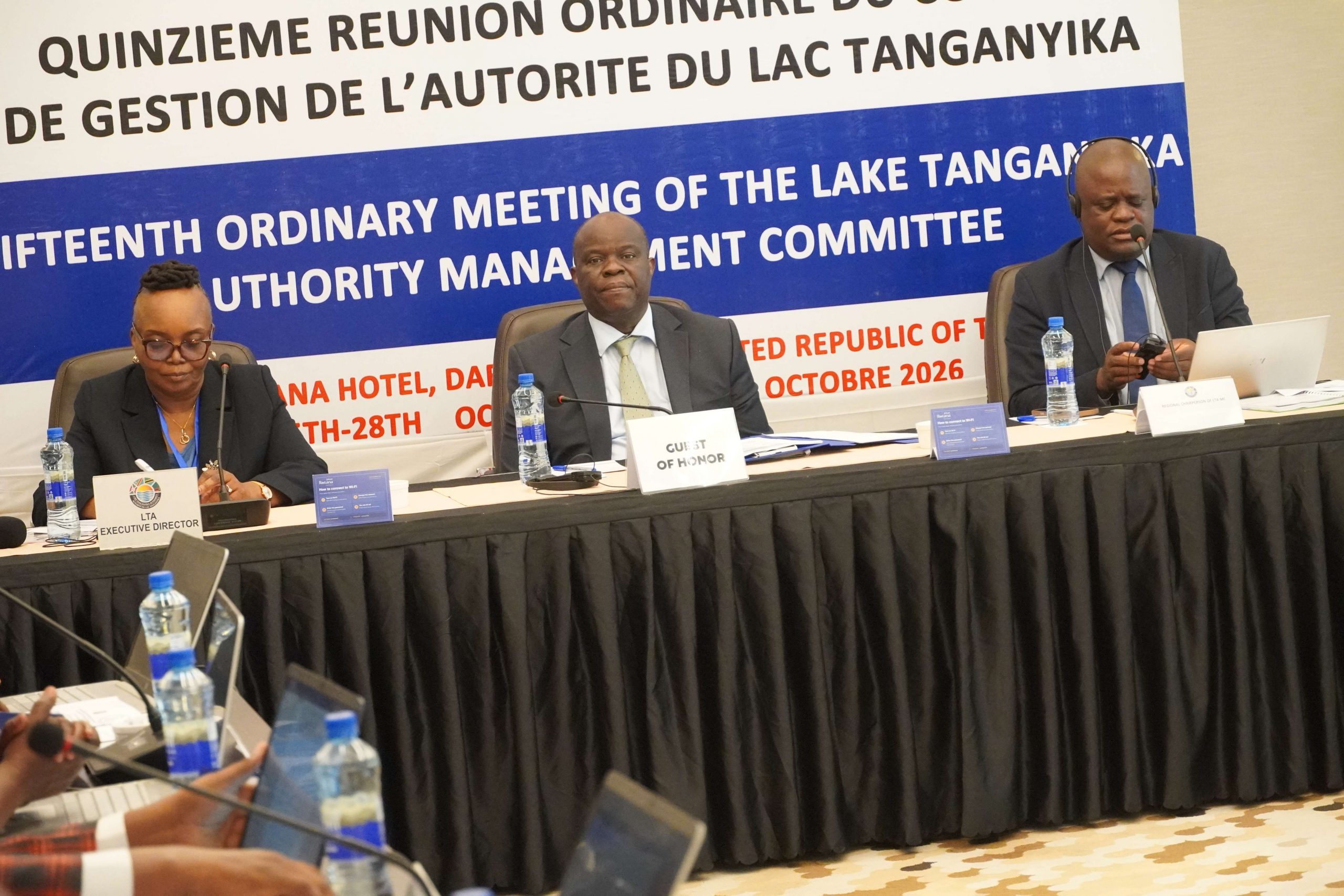
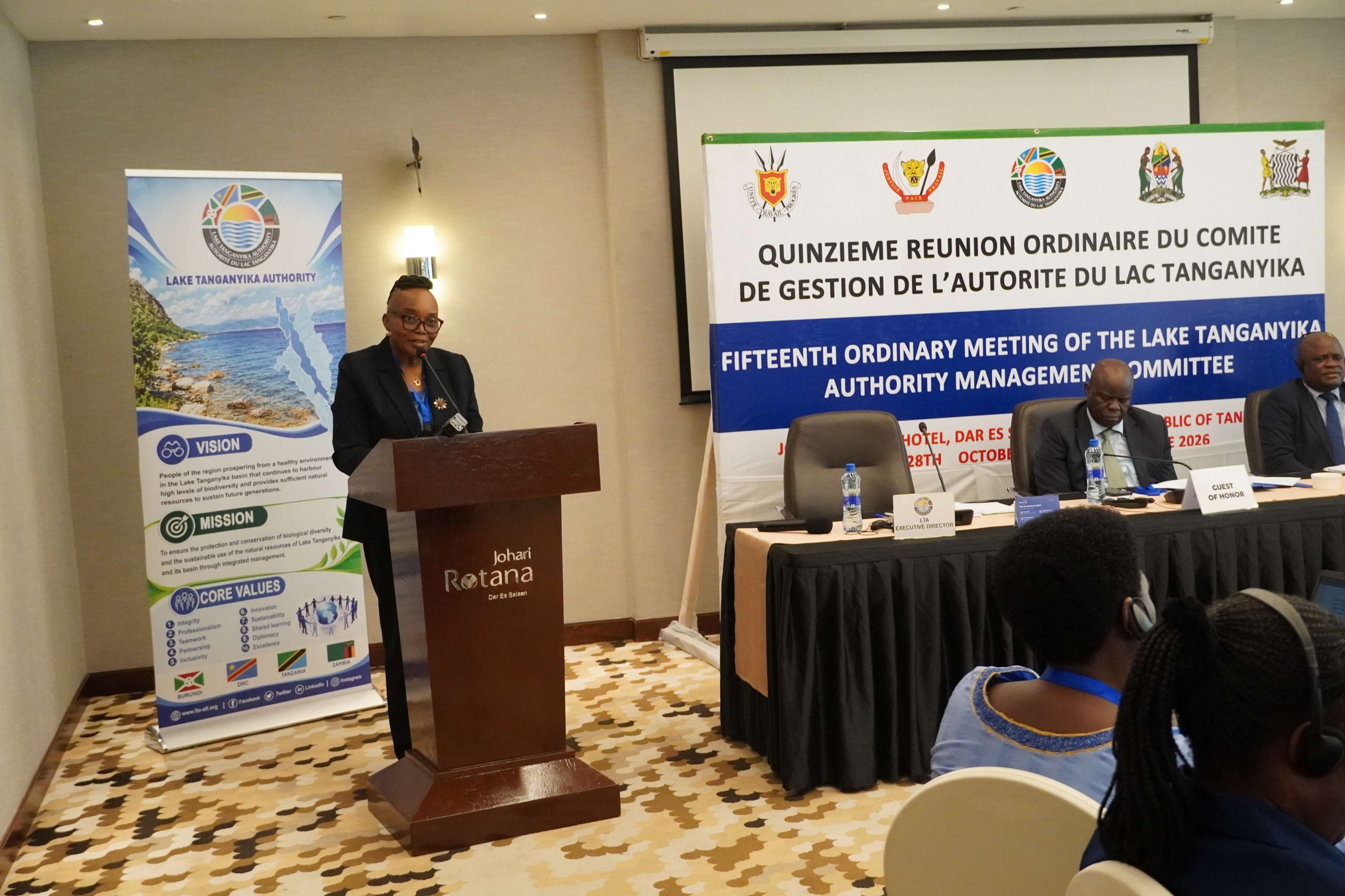
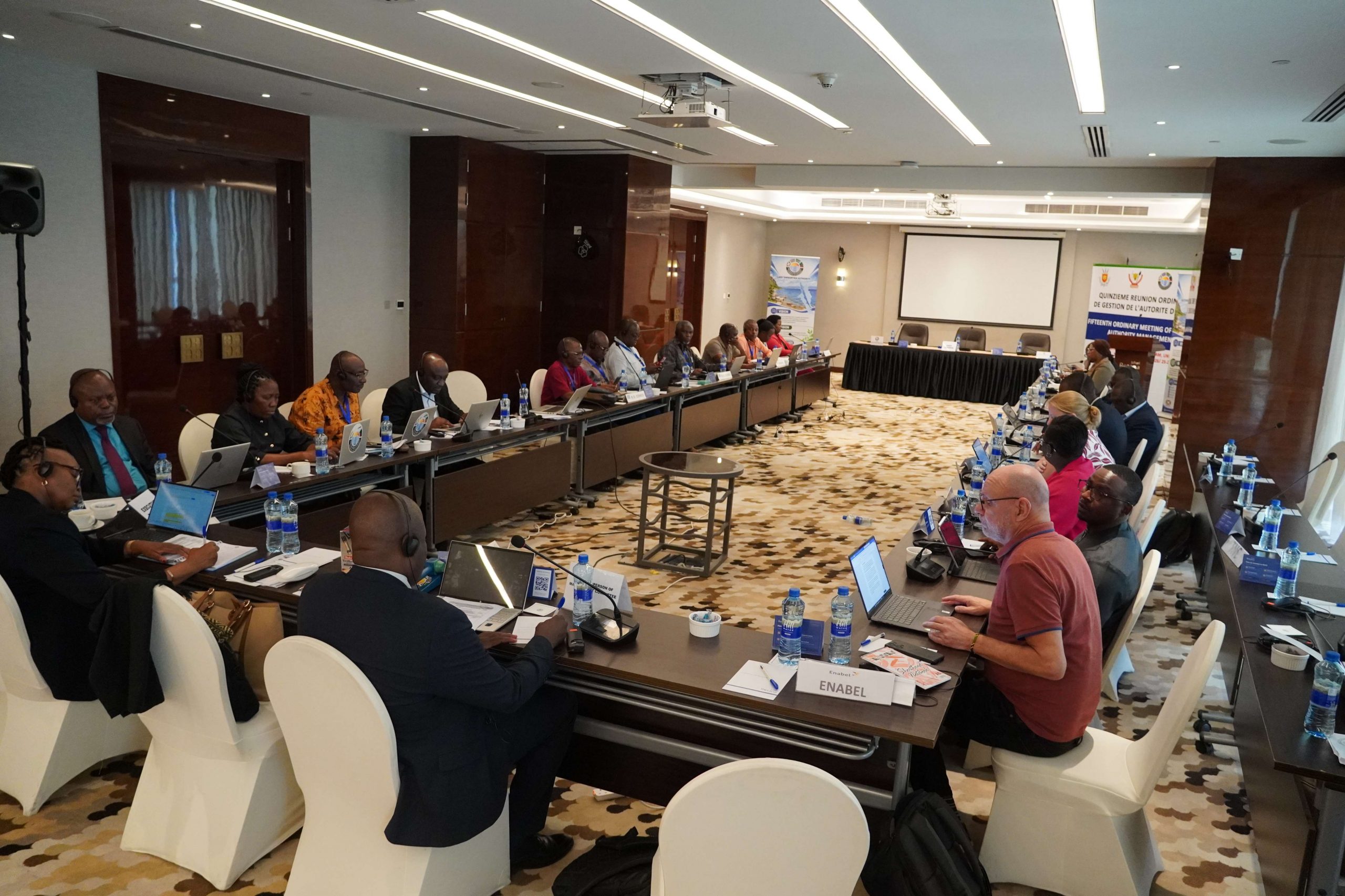
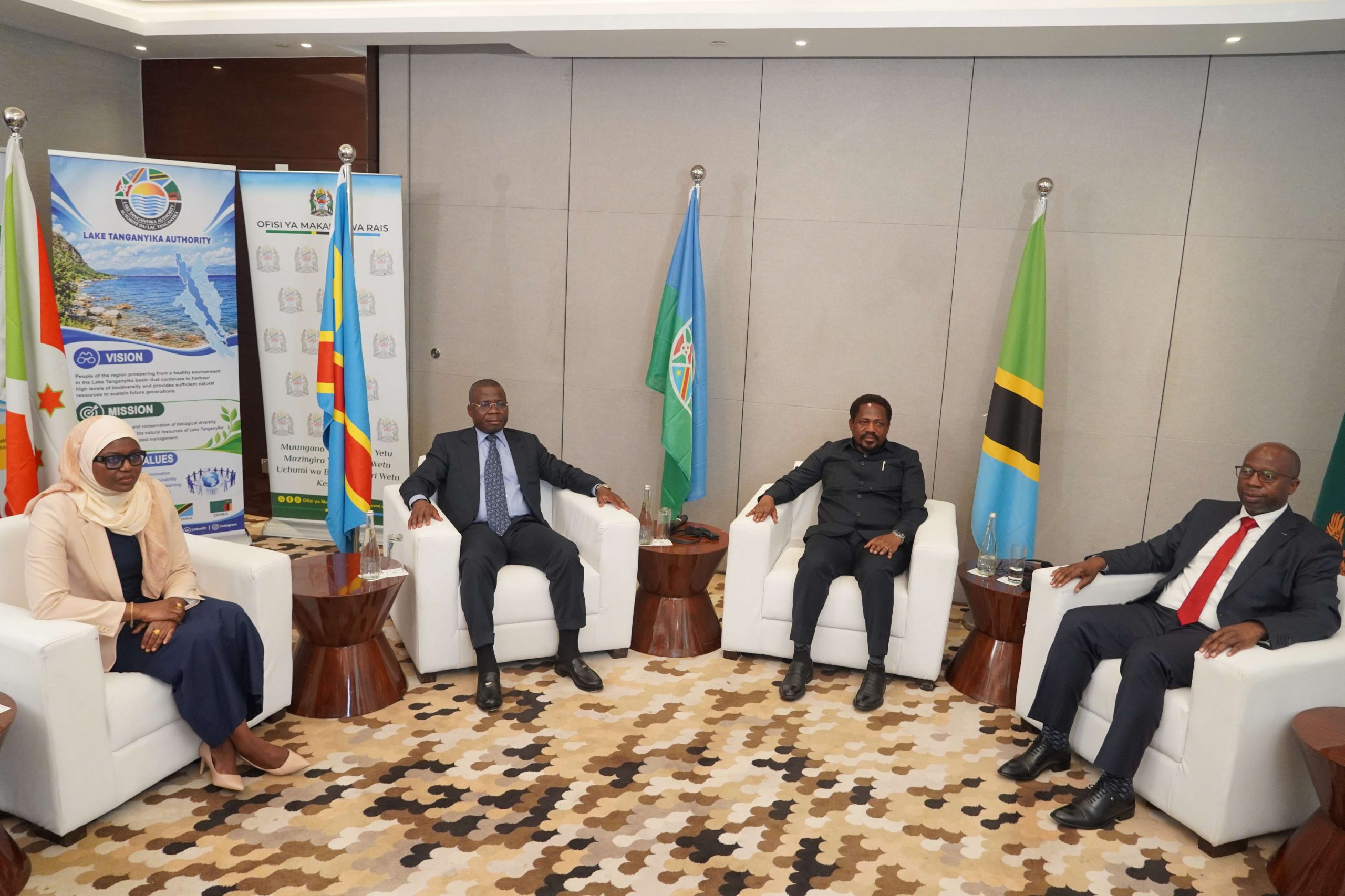
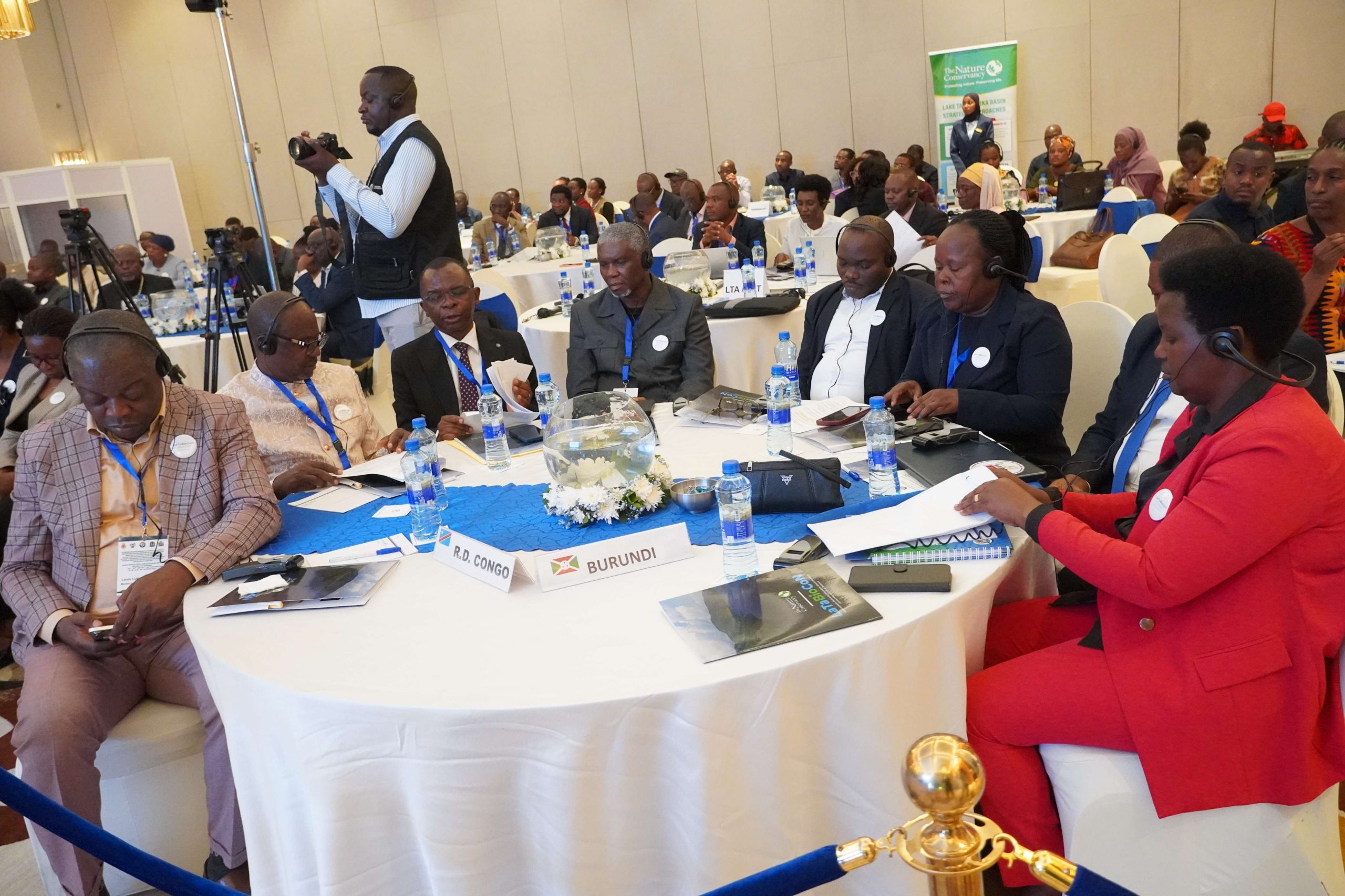
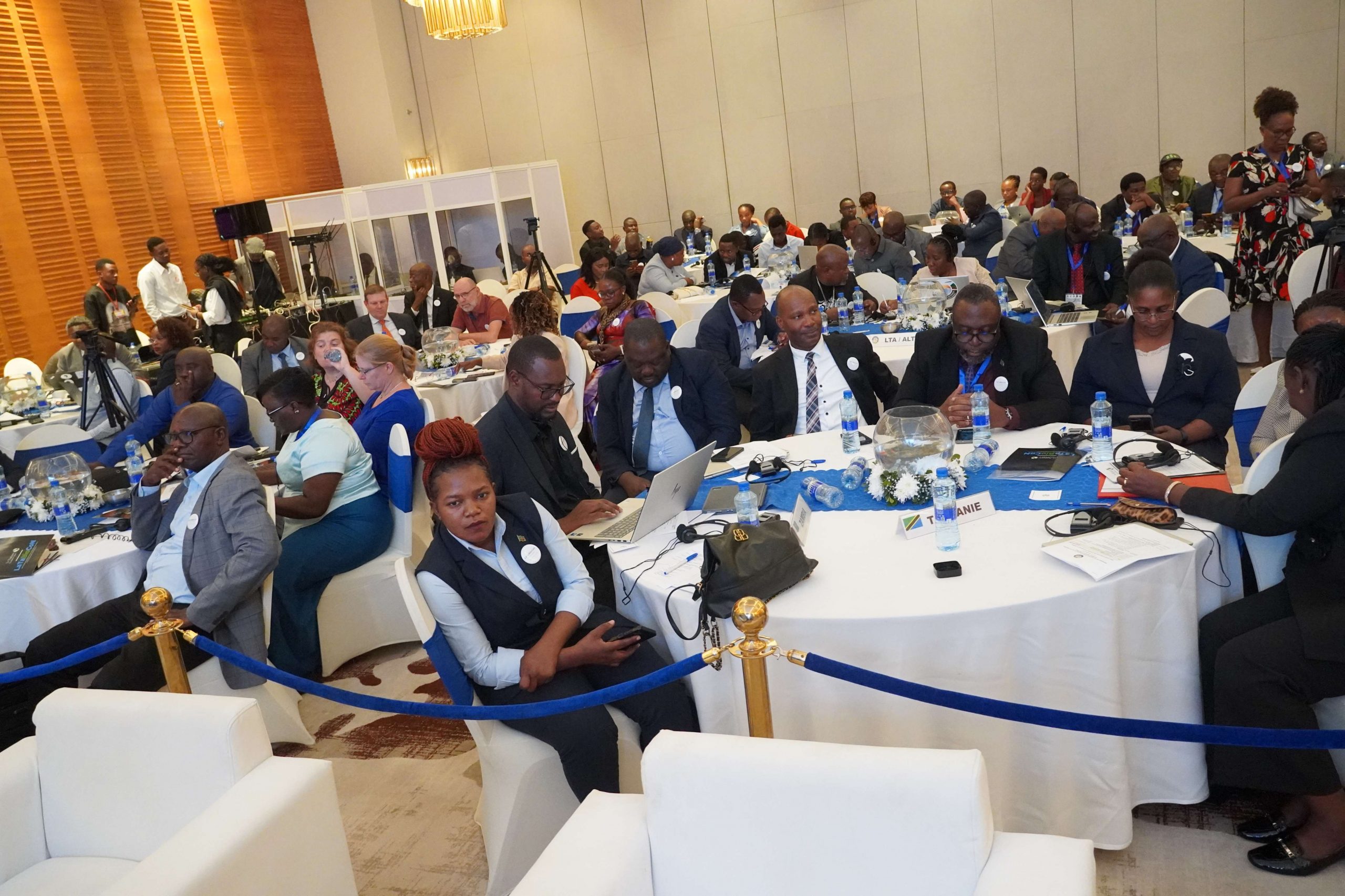
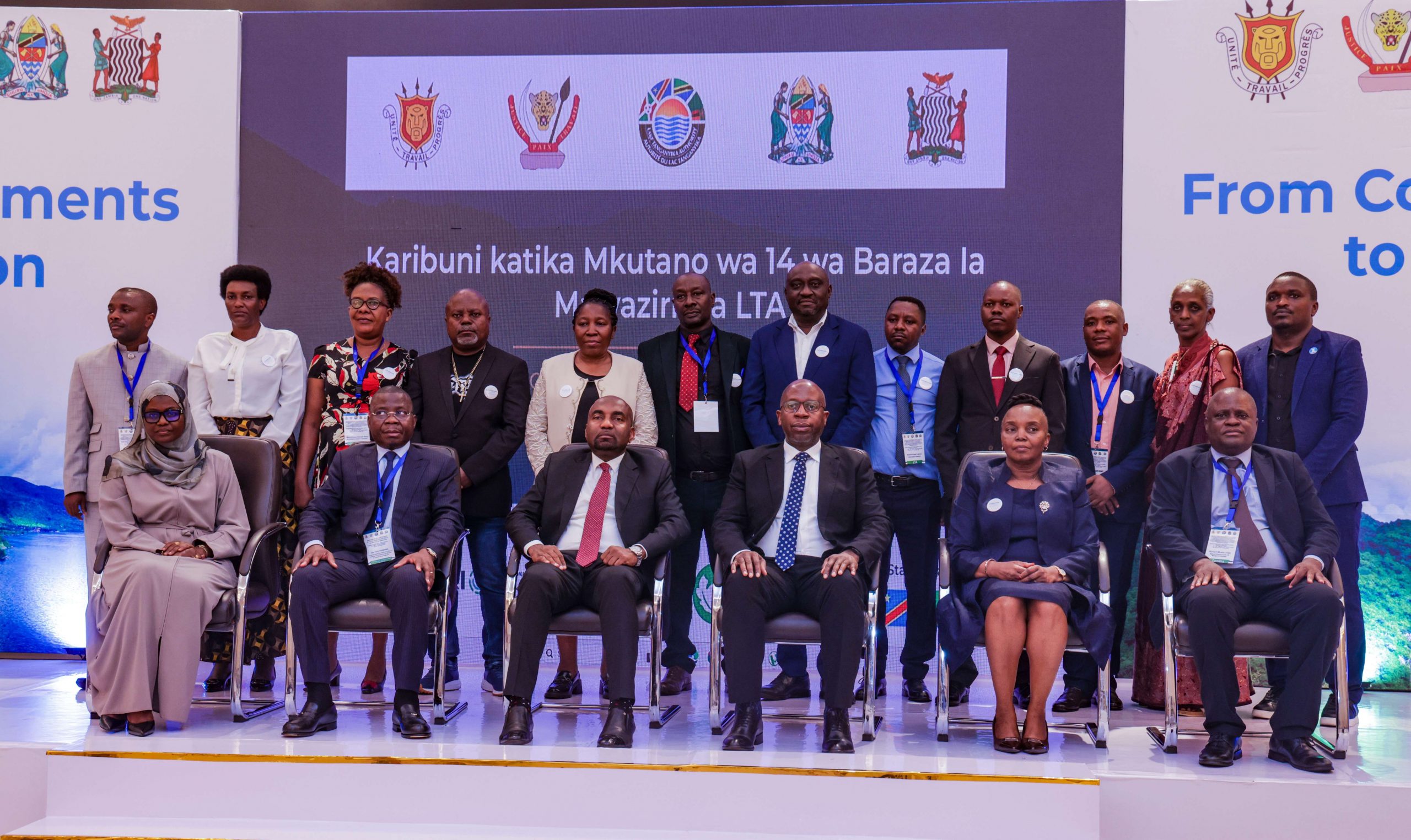
The United Republic of Tanzania hosted Fourteenth Ordinary Meeting of the Lake Tanganyika Authority (LTA) Conference of Ministers on 29th and 30th October 2026. This was preceded by the Fifteenth Ordinary Meeting of the Management Committee from October 25–28, 2026, and, the meetings took place at the Johari Rotana Hotel in Dar es Salaam, United Republic of Tanzania. The meetings also attracted representatives from Cooperating and development partners who support the LTA in the conservation of the resources of the Lake Tanganyika and its basin. These included the European Union (EU), the Belgian Development Agency (Enabel), the Global Environment Facility/United Nations Environment Programme/United Nations Office for Project Services (GEF/UNEP/UNOPS), the Netherlands Development Agency (RVO/Netherlands), The Nature Conservancy, the Lake Victoria Basin Commission, and the Central Corridor Transit Transport Facilitation Agency.
Civil society organizations, community leaders and fisherfolk also participated on the final day of the Ordinary Session of the LTA Conference of Ministers, which also included the launch of the Lake Tanganyika Biodiversity Conservation Network for Nature, Communities, and Climate Resilience (LaTaBioCoN), Project.
LataBioCoN is a EUR 15.9 million project funded by the German Federal Ministry for the Environment, Climate Action, Nature and Nuclear Safety (BMUKN), through the International Climate Initiative (IKI). Consortium partners in LaTaBioCoN are LTA, TNC, Frankfurt Zoological Society (FSZ)-Zambia, Environmental Management and Economic Development Organization (EMEDO), and Education Outreach Tanzania (EDOTA).
The first day of the CoM Meeting was devoted to the presentation of the LTA’s detailed 2027 budget, as well as the examination of several strategic issues of regional interest. Presentations covered, among other topics, studies on the dredging of the Lukuga River and the construction of a dam to regulate flooding from Lake Tanganyika; the results of a Lake-wide Fish stock assessment for the three main commercial pelagic fish species conducted in 2025–2026; an evaluation of the socio-economic and ecological implications of the annual fishing closure; and the status of the land offered by the Government of the Republic of Burundi to the LTA, designated for the construction of the new LTA Secretariat headquarters office complex.
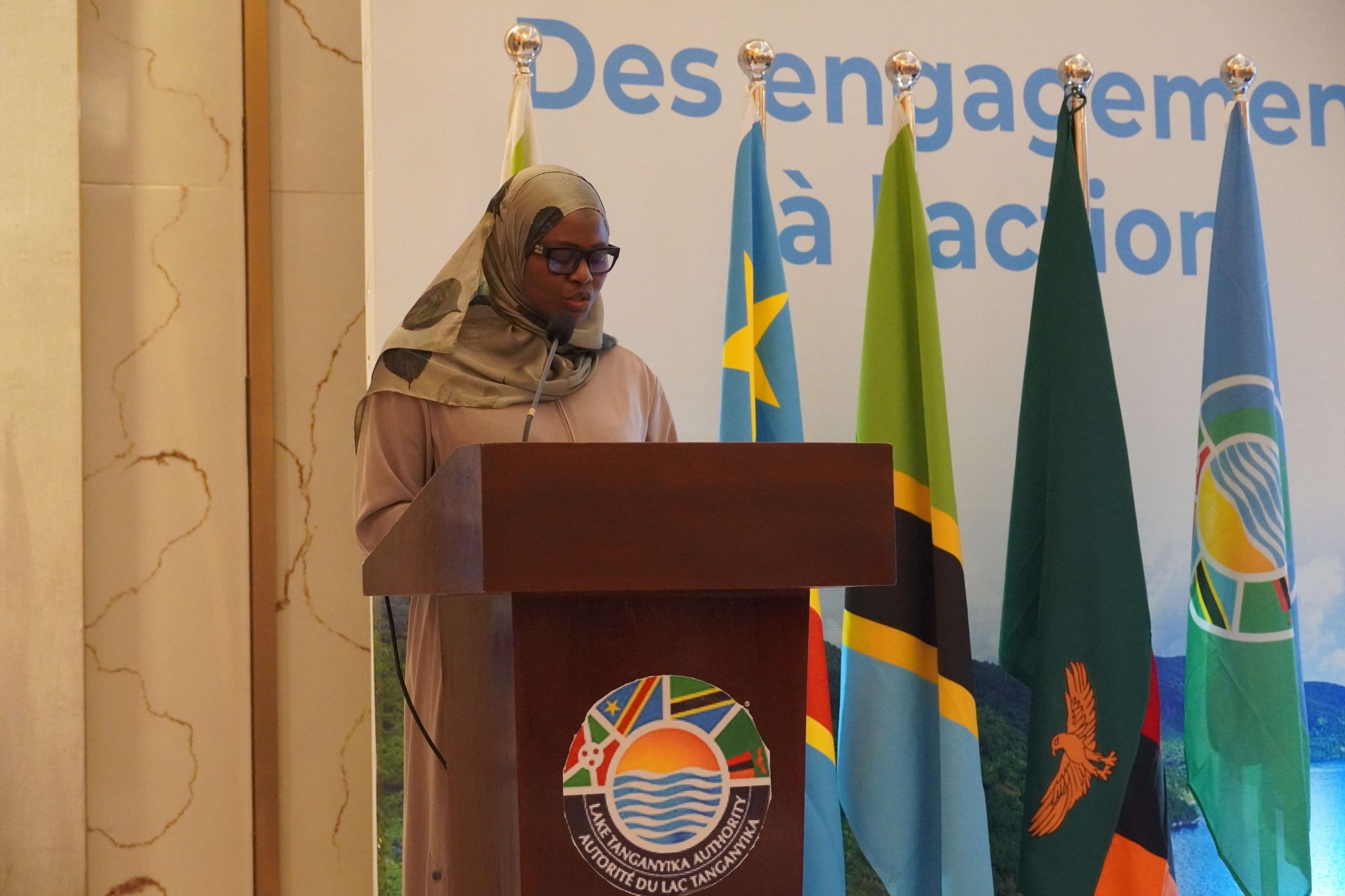
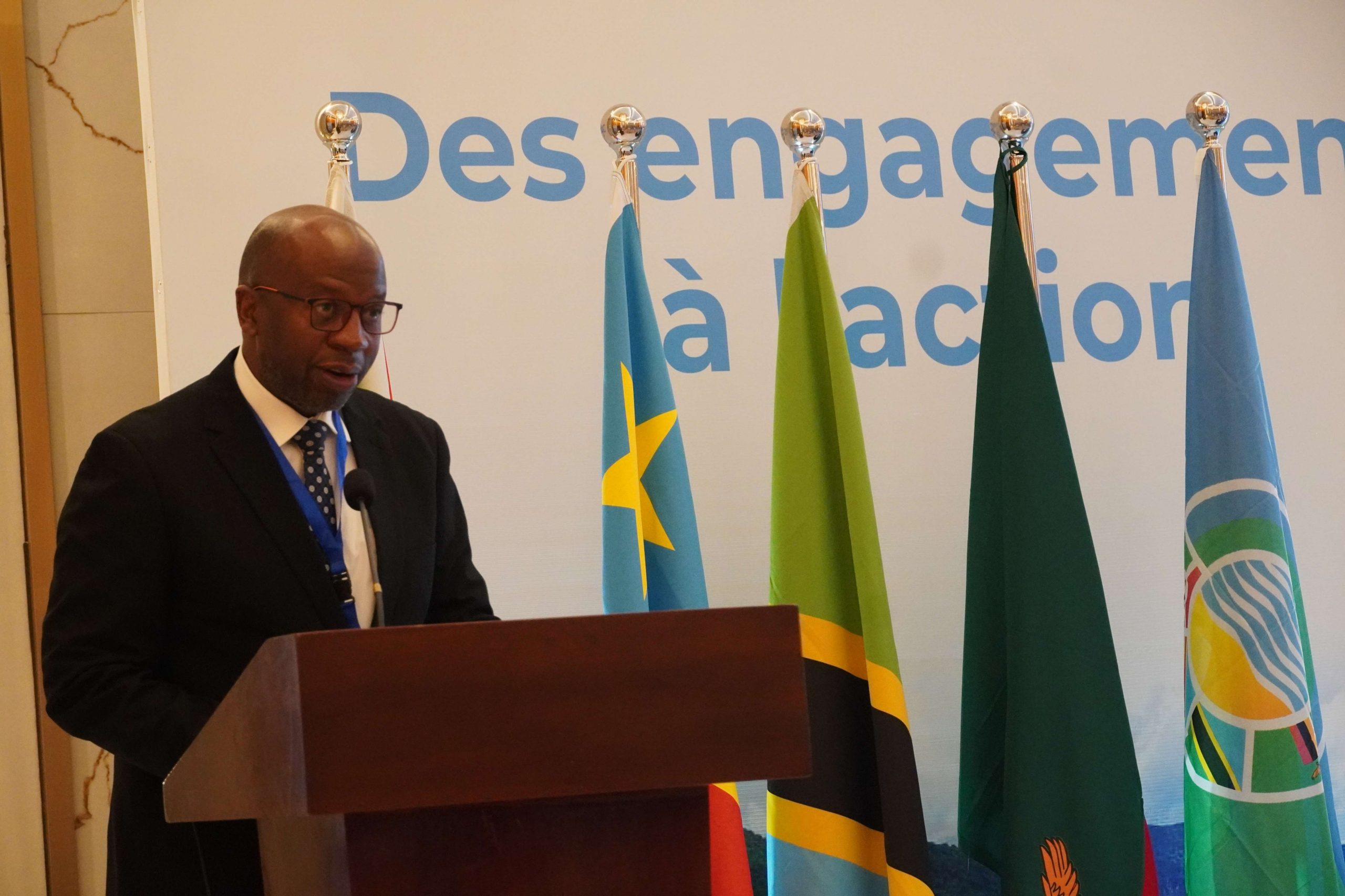
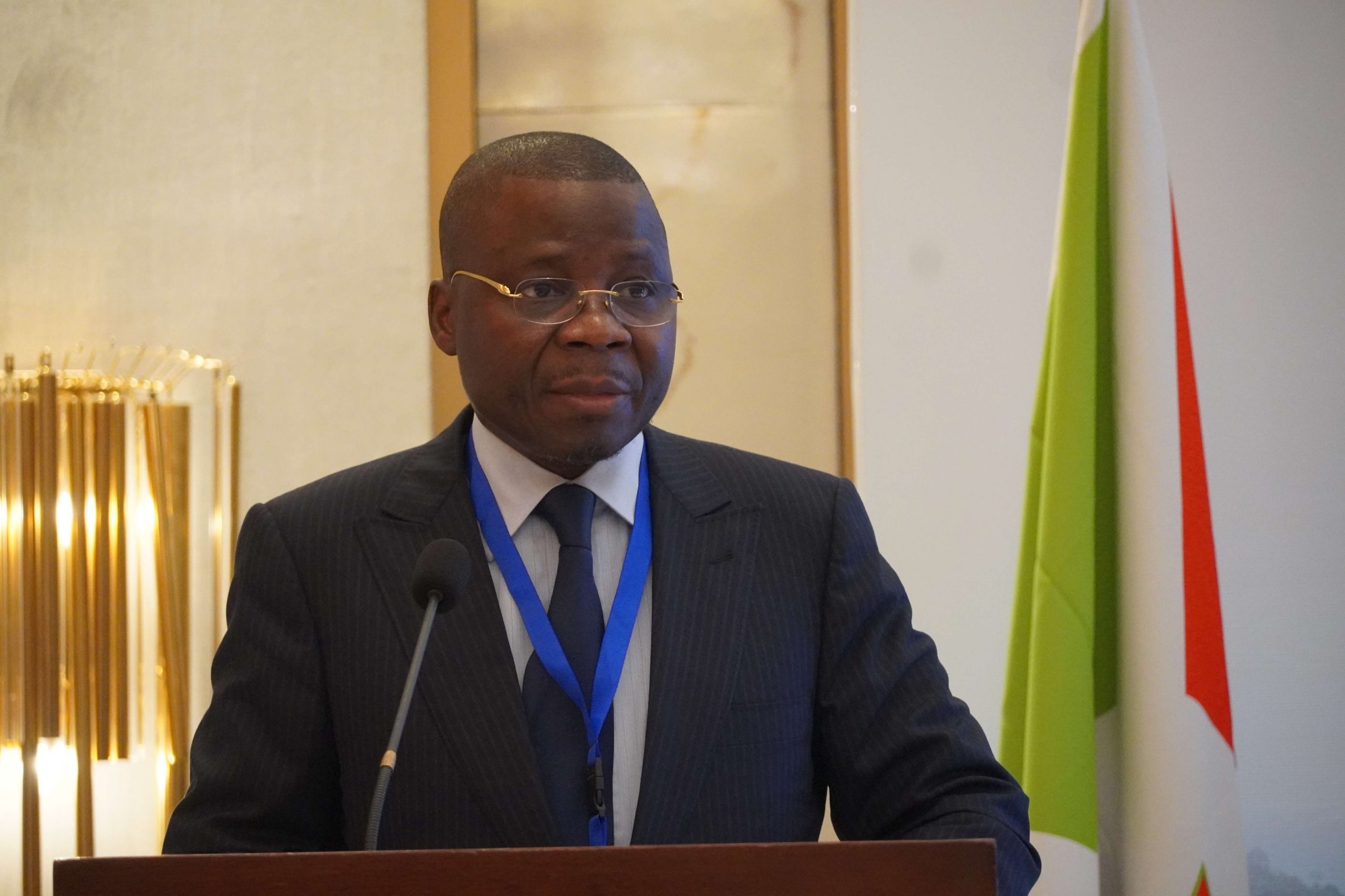
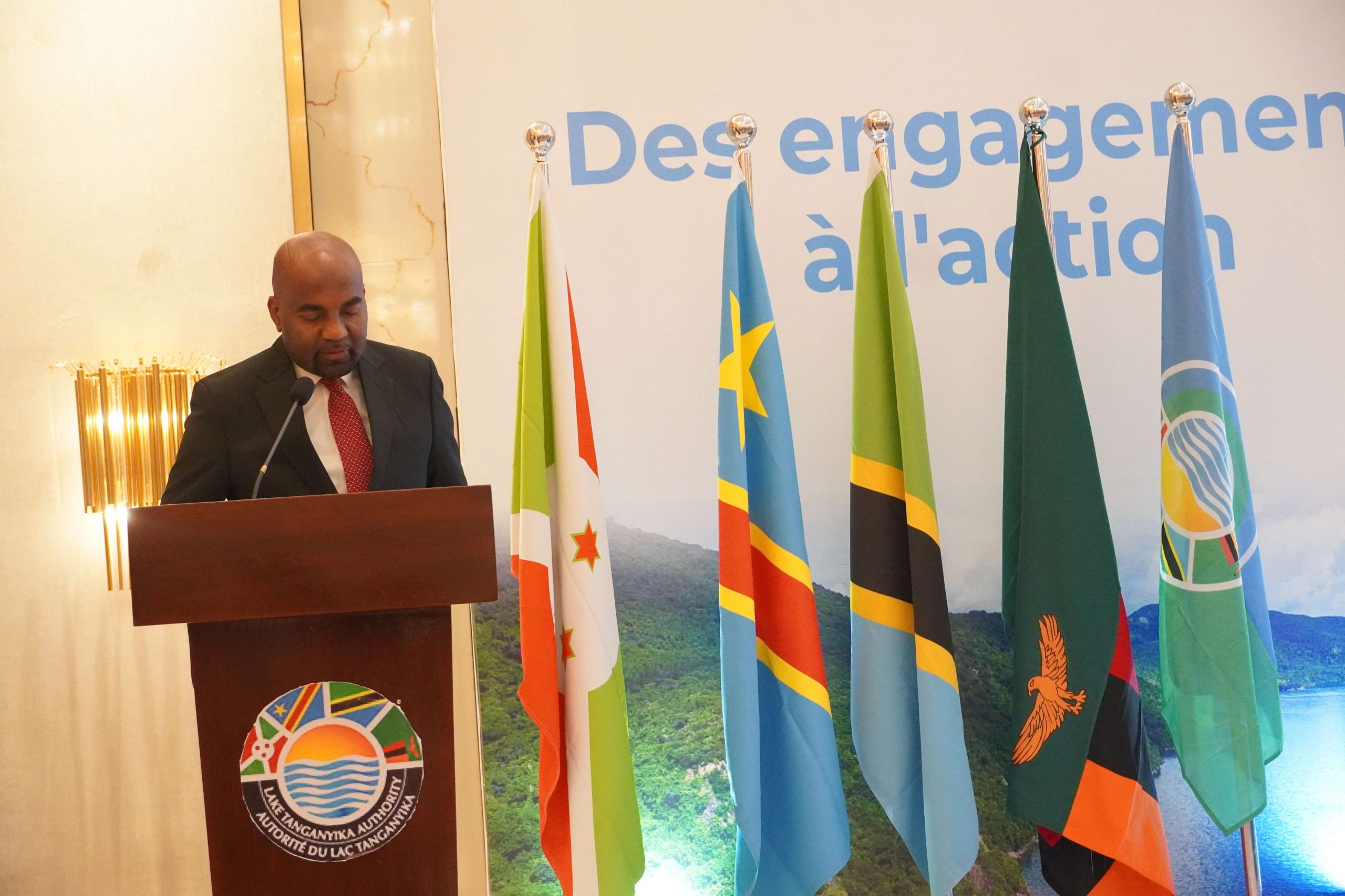
The opening ceremony also featured statements from the various partners in addition to Remarks delivered by H.E. Léontine Nzeyimanza, Ambassador of the Republic of Burundi to the United Republic of Tanzania; H.E. Jean-Pierre Tshimanga Buana, Minister of Fisheries and Livestock of the Democratic Republic of the Congo; Dr. Douty Chibamba, Permanent Secretary in the Ministry of Green Economy and Environment of the Republic of Zambia; and Hon. Eng. Hamad Y. Masauni, MP, Minister of State in the Vice-President’s Office (Environment and Union) of the United Republic of Tanzania.
In their respective remarks and addresses, all the speakers clearly expressed their respective Members States and organizations’ commitment to supporting the implementation of the Convention on the Sustainable Management of Lake Tanganyika, as well as the LTA Strategic Action Programme for the protection of biodiversity and the sustainable management of natural resources in Lake Tanganyika and its basin.
The Conference of Ministers approved several documents and initiatives, most notably:
1. The 2025 annual report.
2. The 2027 Annual Work Plan and Budget (AWPB 2027).
3. Standard Operating Procedures for the Lake Tanganyika fisheries monitoring system.
4. Standard Operating Procedures for land-based fisheries surveillance patrols on Lake Tanganyika.
5. Standard operating procedures for water-based fisheries surveillance patrols on Lake Tanganyika.
6. Report on the stock assessment of three commercially important pelagic fish species in Lake Tanganyika (2025–2026).
7. Ministerial declaration on the sustainable management and recovery of fisheries resources in Lake Tanganyika.
An official handover ceremony for the chairmanship of the Conference of Ministers of the Lake Tanganyika Authority (LTA) also took place between His Excellency the Minister of Green Economy and Environment of the Republic of Zambia, the outgoing chairperson, and His Excellency the Minister of State in the Vice-President’s Office (Environment and Union) of the United Republic of Tanzania, the incoming chairperson.
**************
The opening ceremonies for the LTA Management Committee meeting featured statements by the Chairpersons of the LTA Management Committees from the Republic of Burundi, Ms. Jeanine Francine Nkunzimana; the Democratic Republic of the Congo, Mr. Casmir Kofi Mulumba; and the United Republic of Tanzania, Ms. Kemilembe Mutasa. These were followed by speeches delivered by the LTA Executive Director, Dr. Liwenga Emma Teresa; the Regional Chairperson of LTA Management Committee (who is also Director of the Department of Environmental Management under the Ministry of Green Economy and Environment in the Republic of Zambia), Mr. Mfumu Richard Lungu; and Dr. Richard S. Muyungi, Permanent Secretary in the Vice President’s Office, (Union and Environment), United Republic of Tanzania, who was guest of honour.
The activity reports presented during the meeting outlined the status of three LTA projects:
1. TAKIWAMA Project: Aims to contribute to improved water resource management, biodiversity, and human and economic development in the Lake Tanganyika and Lake Kivu basin. It comprises several components, targeting the following five results areas:
i. R1 – A cross-border environmental monitoring system for the Lake Tanganyika and Lake Kivu basin’s qualitative, quantitative, and climatic aspects is operational.
ii. R2 – Simulation models and information on the state of the basin’s resources and the effects of climate change are made available to stakeholders.
iii. R3 – Cross-border resource management strategies and procedures are being developed in the Lake Tanganyika and Lake Kivu basins.
iv. R4 – Spaces for inclusive dialogue and coordination among various stakeholders (authorities, cross-border basin organizations, civil society organizations, research institutions, development partners, etc.) are consolidated and expanded.
v. R5 – Inclusive circular economy models are tested and validated under various local conditions.
2. GEF/UNEP/UNOPS Project: Biodiversity Conservation, Sustainable Land Management, Enhanced Water Security in the Lake Tanganyika Basin Project.
3. Lake Tanganyika Biodiversity Conservation Network for Nature, Communities, and Climate Resilience (LaTaBioCoN) Project, which was officially launched on October 30, 2026.
During the same meeting, the Republic of Burundi assumed the role of regional chair of the LTA Management Committee from the Republic of Zambia. This will be for a period of three years.